Blog ·
What to Expect During Your Residential Solar Installation Process
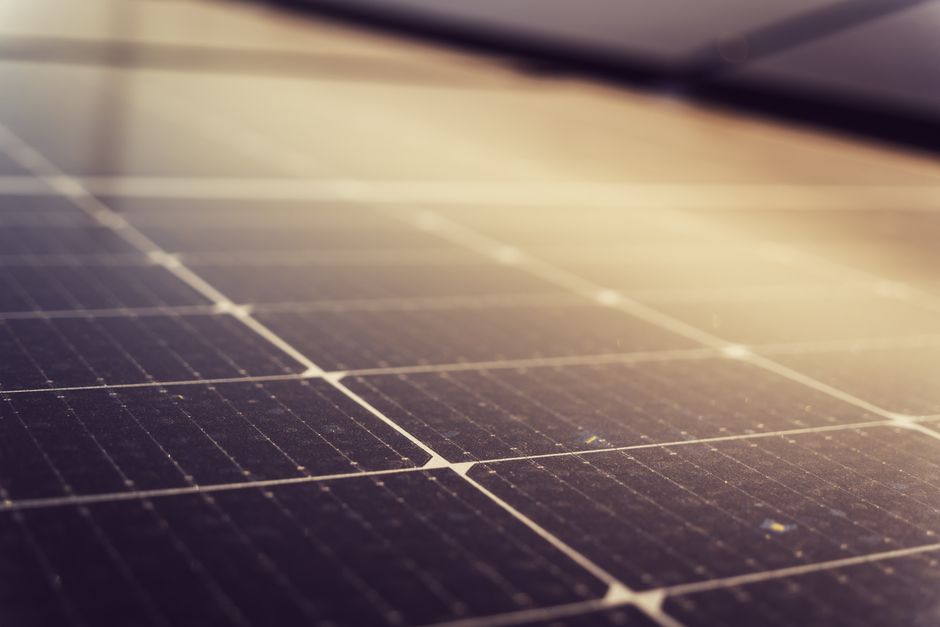
Installing a solar panel system involves several important steps, from initial assessment through final activation. Understanding this process helps you prepare your home and know what to expect during each phase of the installation timeline.
The Initial Home Assessment
The process begins with a comprehensive evaluation of your property. A professional assessment examines your roof condition, structural integrity, sun exposure, and existing electrical infrastructure. This evaluation determines whether your roof needs repairs, what system size will work best, and the optimal placement of solar panels. The assessment also identifies any potential shading issues from trees or structures that could impact panel efficiency.
System Design and Planning
Based on the home assessment, engineers design a customized solar system for your specific property. This design accounts for your roof's orientation, local climate conditions, and your household's energy requirements. You receive detailed plans showing panel placement, electrical connections, and equipment specifications. Professional designers ensure your system maximizes sunlight capture throughout the year.
Permitting and Regulatory Requirements
Before installation begins, your system must meet local building codes and electrical standards. The installation team handles the necessary permits and inspections required by your municipality. This ensures your solar system complies with all regulations and safety requirements. The permitting process protects both your home and your investment in the new system.
The Installation Phase
Installation typically occurs over several days, depending on system size and complexity. Workers secure mounting equipment to your roof, install the solar panels, connect electrical wiring, and mount the inverter and balance-of-system equipment. The installation crew maintains a professional work site and minimizes disruption to your daily routine.
Inspection and Testing
After installation, your system undergoes inspection by local authorities to verify compliance with codes and safety standards. All electrical connections are tested to ensure proper operation. This final inspection confirms everything functions correctly before your system goes live.
System Activation and Monitoring Setup
- Utility company connection and final approval
- System activation and power generation begins
- Monitoring system installation and configuration
- Training on system performance and maintenance
- Access to real-time energy production data
Professional installation ensures your solar system operates efficiently and safely for decades. From initial assessment through final activation, quality workmanship and attention to detail guarantee optimal performance and long-term reliability.